Wildfires in Algeria: How to Join the National Solidarity Effort
Last updated: July 27, 2026
Wildfires in Algeria: How to Join the National Solidarity Effort

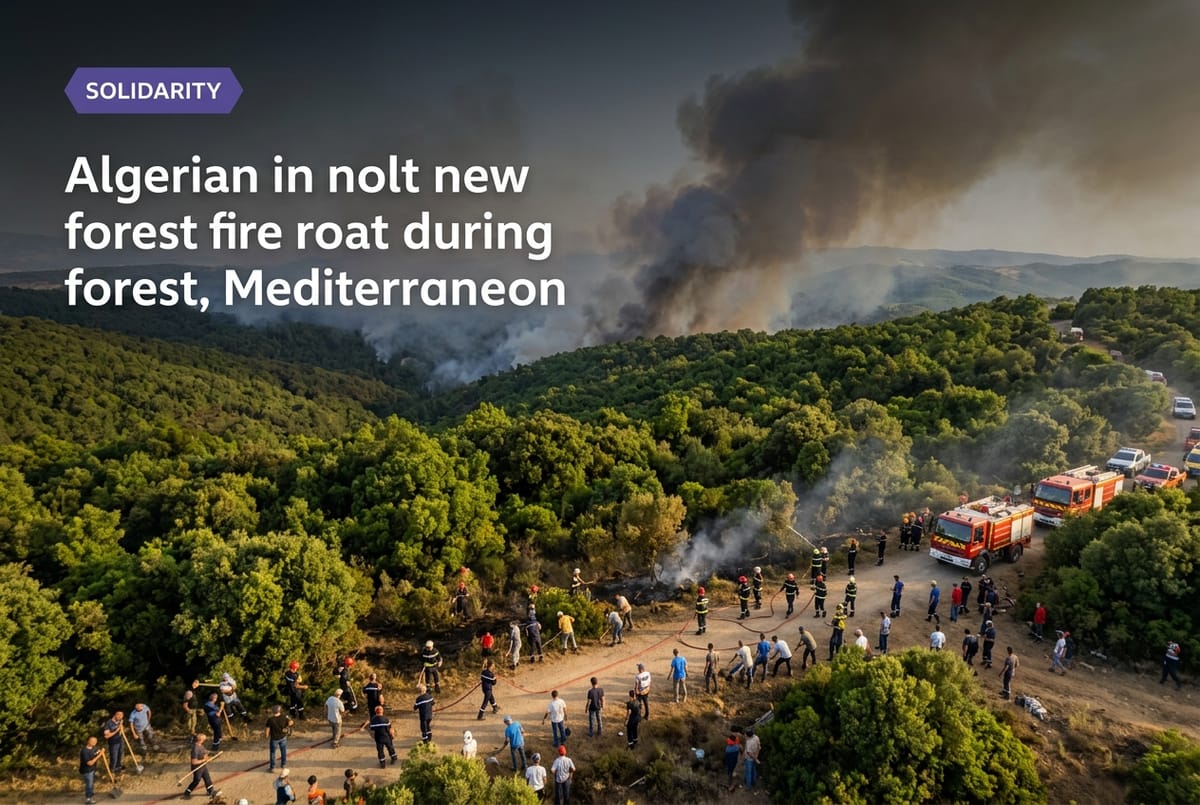
The summer of 2026 has brought severe heatwaves and a harsh reality to Algeria, as intense forest fires in Algeria have ignited across several regions. In these challenging times, the true spirit of the Algerian people shines through an unwavering and extraordinary wave of national solidarity. From citizens organizing massive relief convoys to local communities fighting side-by-side with the heroic Algerian Civil Protection (Protection Civile) and the military forces, everyone is stepping up to face the crisis.
This comprehensive guide is designed to help you understand exactly how to help Algeria fires effectively. If you are wondering how you can participate in wildfire volunteering, donate essential supplies, or assist affected families, this article will provide you with clear, actionable, and safe steps to make a real impact. Together, we can support our frontline heroes and communities in distress.
Key Takeaways
- Unprecedented Mobilization: Citizens across Algeria are joining forces to provide direct humanitarian aid to regions affected by the July 2026 wildfires.
- Targeted Assistance: Learn the exact items most needed by specialized teams and affected families, from medical supplies to simple fresh water.
- Safety First: Volunteering near fire zones requires strict adherence to safety protocols to avoid hindering professional firefighters in Algeria.
- Digital Coordination: Leverage community platforms to organize and track relief efforts efficiently across different wilayas.
Table of Contents
- The Current Situation: Wildfires Across Algeria
- How to Concretely Contribute to the Solidarity Effort
- Essential Do's and Don'ts for Volunteer Safety
- The Role of Community in Fighting Wildfires
- Emergency Numbers and Useful Contacts
- FAQ
The Current Situation: Wildfires Across Algeria
The wilayas affected by fires currently encompass some of the most densely forested and mountainous regions of northern Algeria. Driven by extreme temperatures and dry winds, the forest fires in Algeria in 2026 have particularly impacted the wilayas of Tizi Ouzou, Béjaïa, Bouira, Jijel, Khenchela, and Médéa.
In these areas, local residents have faced immense challenges, with fires threatening villages, ancient olive groves, and local wildlife. However, the immediate response from the Algerian Civil Protection and the National People's Army has been massive, deploying specialized aerial units and thousands of ground troops. Yet, the scale of these fires means that the professional teams work under grueling conditions, fighting the flames day and night.
This is where the citizen solidarity movement plays a crucial role. From the western wilayas of Oran and Tlemcen to the southern regions of Ouargla and Adrar, convoys of trucks loaded with food, water, and medical supplies are continuously heading toward the disaster zones. This nationwide mobilization is a testament to the unbreakable bond of the Algerian people. For those who want to appreciate the beauty of these regions once they recover, our guide to the best hikes in Algeria reminds us of the natural heritage we are fighting to protect.
How to Concretely Contribute to the Solidarity Effort

When an emergency strikes, many people want to help but aren't sure how. Providing humanitarian aid in Algeria requires organization to ensure that the right supplies reach the right people without clogging up the roads or overwhelming local authorities. If you're looking to participate in wildfire volunteering, here is how you can concretely help both the firefighters and the affected citizens.
Immediate Needs for Firefighters and Volunteers
The specialized teams and local volunteers fighting the fires face intense heat and physical exhaustion. The most direct way to help is by providing them with immediate relief items.
| Type of Aid | Specific Items Needed | Where & How to Provide It |
|---|---|---|
| Hydration & Energy | Packaged mineral water (especially cold), sports drinks, energy bars, dates, and easy-to-eat non-perishable foods. | Drop off at designated local solidarity hubs or directly to civil protection supply posts outside the danger zone. |
| Medical Supplies | Burn creams (Biafine), sterile gauze, eye drops (for smoke irritation), paracetamol, asthma inhalers, and first aid kits. | Hand over to local clinics, pharmacies organizing collections, or Red Crescent outposts. |
| Protective Gear | Heavy-duty work gloves, N95/FFP2 masks (to filter smoke), thick cotton clothing, sturdy boots. | Deliver to local community centers organizing volunteer brigades. |
| Tools & Equipment | Shovels, pickaxes, buckets, chainsaws, water pumps, and heavy-duty flashlights. | Coordinate with local village committees (Tajmaat) or recognized neighborhood associations. |
Supporting Evacuated Families
Hundreds of families have been forced to leave their homes with nothing but the clothes on their backs. Supporting these displaced individuals is another vital pillar of the solidarity effort. They urgently need mattresses, clean clothing for all ages, baby formula, diapers, and hygiene products. Financial donations can also be made through trusted, verified associations like the Algerian Red Crescent (Croissant-Rouge Algérien), which manages official relief funds and coordinates large-scale logistics.
Financial Donations and Online Support
While physical goods are critical, humanitarian aid in Algeria also relies heavily on financial support and digital mobilization. Not everyone can travel to the wilayas affected by fires or physically transport goods. In these cases, online support becomes a powerful tool.
Financial donations allow specialized organizations like the Algerian Red Crescent to purchase exactly what is needed, often at wholesale prices, and avoid the logistical bottlenecks of physical goods sorting. When contributing financially:
- Use Official Channels: Always prioritize official bank accounts (CCP or standard bank transfers) published by recognized institutions or verified local associations.
- Crowdfunding Campaigns: Many legitimate crowdfunding campaigns are launched by diaspora members or local charities. However, it is essential to verify the organizer's identity and their track record before contributing.
- Digital Advocacy: If you cannot donate money or goods, your voice still matters. Sharing verified information, emergency numbers, and official requests for specific medical supplies on social media platforms can bridge the gap between those who have resources and those who need them. The digital solidarity effort is just as vital for coordinating rescue and relief missions efficiently.
Essential Do's and Don'ts for Volunteer Safety
The enthusiasm to help must always be balanced with strict safety protocols. Wildfire volunteering is inherently dangerous. Without proper knowledge and discipline, well-meaning citizens can accidentally put themselves in danger or inadvertently hinder the work of the firefighters in Algeria.
What You Should DO:
- Coordinate Before Going: Never drive blindly into a fire zone. Always contact local associations, the Red Crescent, or village committees to ask if and where they need help.
- Wear Protective Clothing: If you are permitted to assist near the front lines (e.g., clearing brush), wear 100% thick cotton (synthetic fabrics melt into the skin), sturdy leather boots, heavy gloves, and a mask to protect your lungs from smoke inhalation.
- Follow Official Instructions: Obey the Algerian Civil Protection and forestry agents immediately. If they order an evacuation or tell you to clear a road, do it without hesitation.
- Focus on Logistics: The safest and most effective way to help is often in the background—sorting donations, preparing meals for firefighters, or transporting supplies to base camps.
What You Should NOT DO:
- Do Not Block Access Roads: Parking your car on narrow mountain roads can block fire trucks and ambulances. Always leave access routes completely clear.
- Do Not Self-Deploy to the Flames: Fighting a forest fire requires specialized training. Do not attempt to fight the active fire front unless you are directed and supervised by professionals.
- Avoid Spreading Unverified Information: During crises, fake news about new fire outbreaks or fake donation links can spread rapidly on social media. Always verify information through official channels or trusted community leaders.
The Role of Community in Fighting Wildfires

The traditional Algerian social structure, particularly the village committees (Tajmaat in Kabylia), has proven to be an incredibly resilient force during natural disasters. These community organizations manage to mobilize hundreds of people in record time, setting up field kitchens, organizing night watches, and coordinating the distribution of incoming national aid.
However, modern crises also require modern solutions. Digital platforms are increasingly vital for coordinating humanitarian aid in Algeria. Social media groups help match convoys with specific village needs, preventing a surplus of water in one area while another lacks medical supplies.
At Kharja, we believe in the power of an organized, connected community. While our platform is designed to help you discover events and outings, our core mission is bringing Algerians together. In times of crisis, the same community networks used for organizing a local festival or a hiking trip can be pivoted to organize relief convoys or blood donation drives. If you are looking for safe activities away from the affected zones while the situation stabilizes, you can read the guide to family outings in Algeria or explore other summer activities in Algeria.
💡 Kharja Community Tip:
Use the Kharja app's community features to connect with local organizers. Many event organizers on our platform are currently pivoting their logistics networks (transportation, catering) to support the national solidarity effort. Reach out to them to see how you can volunteer!
In the long term, fire prevention in Algeria must become a community-wide priority. Educating our youth about the dangers of leaving glass bottles in forests, ensuring proper disposal of barbecue embers, and participating in winter reforestation campaigns are all actions that start at the community level.
Reforestation: Building Back Better After the Fires
The role of the community does not end when the last flames are extinguished; in fact, a new chapter of solidarity begins with the vital task of restoring our natural heritage. The forest fires in Algeria in 2026 have consumed thousands of hectares of precious woodland, which are crucial for the country's biodiversity, climate regulation, and local economies.
Once the danger has passed and the soil has cooled, the focus must shift to reforestation.
- Replanting Endemic Species: It is critical to focus on planting native and fire-resilient trees such as the Cork Oak (Chêne-liège), Aleppo Pine, and local olive and fig trees. Introducing non-native species can sometimes increase future fire risks or disrupt the local ecosystem.
- Community Planting Campaigns: Every winter following severe summer fires, numerous associations organize massive tree-planting drives. These events are fantastic opportunities for wildfire volunteering in a safe, constructive environment. Schools, universities, and local scout groups often lead these initiatives, turning a tragedy into an educational and unifying experience.
- Long-term Monitoring: Reforestation isn't just about planting a sapling; it requires years of monitoring, watering during dry spells, and protecting young trees from grazing animals. Communities must commit to these newly planted forests to ensure they thrive for future generations.
Emergency Numbers and Useful Contacts
If you spot a fire outbreak, suspect arson, or need to coordinate a large donation convoy, it is vital to use the correct official channels. Memorize these numbers and keep them saved in your phone.
| Service | Phone Number | When to Call |
|---|---|---|
| Civil Protection (Protection Civile) | 14 or 1021 | To report a fire, request emergency medical assistance, or report immediate danger to lives. |
| National Gendarmerie (Gendarmerie Nationale) | 1055 | To report suspicious activities (potential arsonists), road blockages, or coordinate convoy escorts. |
| Police (Sûreté Nationale) | 17 or 1548 | For security issues within urban and peri-urban areas. |
| Forestry Directorate (Direction des Forêts) | 1070 | To report early signs of smoke in remote forest areas or illegal logging/campfires. |
| Algerian Red Crescent (CRA) | Local Wilaya Bureau | To coordinate large-scale donations or volunteer as medical/logistical support. |
FAQ
1. How can I donate money safely to help the victims of the Algeria wildfires?
To avoid scams, it is highly recommended to donate only through official channels, such as the Algerian Red Crescent (CRA), or recognized national associations and verified local village committees that have established bank or CCP accounts specifically for the crisis.
2. Can I go directly to the affected wilayas to drop off supplies?
It is better to avoid driving directly into the active fire zones, as civilian vehicles can block critical access roads for fire trucks. Instead, drop your supplies at designated collection points in your own city, or coordinate with the Red Crescent and local associations who have authorized convoys.
3. I am a doctor/nurse. How can I volunteer my medical skills?
Medical professionals are highly needed. You should present yourself to the nearest public hospital (CHU or EPH) in the affected wilayas, or contact the local branch of the Algerian Medical Council or the Red Crescent to be officially integrated into the emergency medical response teams.
4. What are the best ways to contribute to fire prevention in Algeria?
Fire prevention starts with individual responsibility. Avoid lighting campfires in forested areas during the summer, never throw cigarette butts out of car windows, clean up all glass bottles (which can act as magnifying glasses), and participate in volunteer brush-clearing campaigns before the summer season begins.
5. How is the Algerian Civil Protection equipped to handle these fires?
The Algerian Civil Protection is highly trained and operates with a vast fleet of fire engines, specialized all-terrain vehicles, and a growing fleet of water-bomber aircraft and helicopters. However, the extreme weather conditions and difficult mountainous terrain make the citizen solidarity effort a necessary and invaluable support system.
6. How do I verify if a donation campaign is legitimate?
Before donating to any crowdfunding campaign or association, check if they are officially registered with the local wilaya authorities. Look for transparency in their past actions, cross-reference their announcements with official news sources, and prioritize well-known national entities like the Algerian Red Crescent or established local Tajmaat (village committees) that provide clear, traceable CCP (postal bank) accounts.
7. What should I do if I spot a wildfire while hiking?
If you see smoke or flames while out in nature, prioritize your immediate safety by moving away from the fire's path, taking note of the wind direction. Once you are in a safe location with network coverage, immediately call the Algerian Civil Protection at 14 or 1021. Provide them with the most precise location possible, using GPS coordinates from your phone if available, and describe the size and direction of the fire. Never attempt to extinguish a growing forest fire yourself.
Conclusion
The Algeria wildfires solidarity movement of 2026 is a powerful reminder of the deep-rooted empathy and unity that defines the Algerian spirit. While the flames have brought devastation to our beautiful landscapes and communities, the response—from the tireless firefighters in Algeria to the citizens driving through the night with supplies—brings immense hope.
By following safety guidelines, coordinating through official channels, and providing the specific aid that is needed most, every single person can make a difference. The fight against these fires is a collective one, and our support for the affected wilayas will continue long after the last flames are extinguished, moving from emergency relief to rebuilding and reforestation.
Stay safe, stay united, and let us continue to support one another.


👤 About Kharja
Kharja (خارجة) is Algeria's first platform dedicated to event and outing discovery and management. Available on iOS, Android and Web, it connects organizers and participants across all 58 wilayas with innovative features: geolocated discovery, verified community reviews, real-time organizer dashboard and community engagement tools.
🌐 kharja.life | 📱 app.kharja.life
Follow us:
📸 Instagram | 📘 Facebook | 🎵 TikTok | 🐦 X (Twitter) | 📺 YouTube