Ecotourism & National Parks in Algeria: 2026 Guide
Last updated: September 2, 2026
Ecotourism & National Parks in Algeria: 2026 Guide
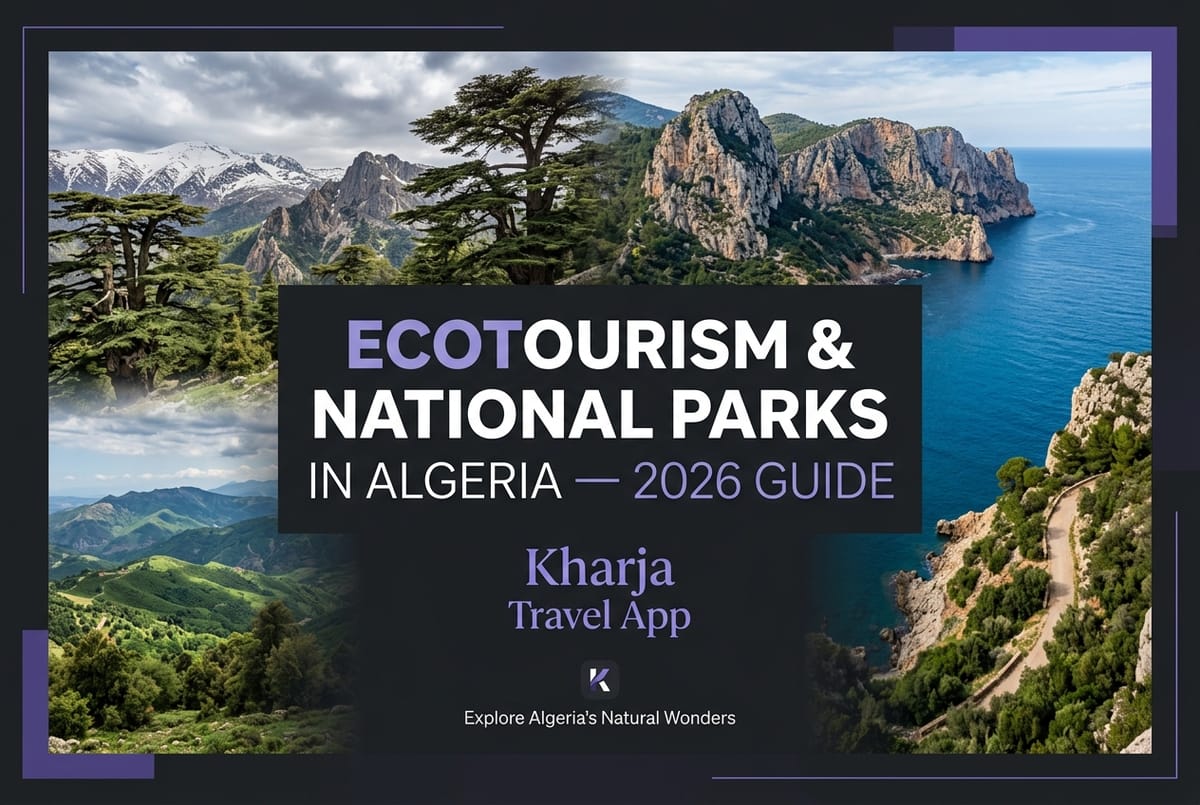
Algeria boasts one of the richest and most ecologically diverse natural heritages in the entire Mediterranean basin and the African continent. From the ancient Atlas cedar forests of the Blidean Atlas to dramatic coastal cliffs dropping into azure Mediterranean waters in Béjaïa, the lush wetlands of El Kala, and the wild summits of the Aurès mountains, Algeria's national parks offer unmatched outdoor adventures for hikers, ecotourists, and families.
Practicing ecotourism in Algeria means choosing sustainable travel that respects delicate ecosystems, empowers local rural communities, and immerses visitors in protected biodiversity sanctuaries. With Kharja, Algeria's #1 outing and event discovery mobile platform, planning green nature getaways across all 58 wilayas has never been more seamless, accurate, and accessible.
In this comprehensive 2026 travel guide, we explore Algeria's top national parks, providing trail overviews, practical access advice, ecological conservation tips, and local insider insights to make your next wilderness getaway truly memorable.
🎯 Key Takeaways
- Algeria features over 10 national parks and UNESCO-recognized biosphere reserves covering alpine peaks, Mediterranean coastal cliffs, and international Ramsar wetlands.
- Chréa National Park (Blida), Gouraya National Park (Béjaïa), El Kala National Park (El Tarf), and Belezma National Park (Batna) represent the premier and most accessible ecotourism hotspots in 2026.
- Late summer and early autumn (September to November) provide the ideal mild weather window for hiking, wildlife observation, and birdwatching.
- The Kharja mobile app offers GPS trail discovery, live weather forecasting, and connections with certified local hiking clubs and guides across Algeria.
📋 Table of Contents
- Why Choose Ecotourism in Algeria in 2026?
- Top Must-Visit National Parks in Algeria
- Comparative Table of Algeria's Nature Reserves & Parks
- Practical Guidelines & Golden Rules for Responsible Travel
- How Kharja Powers Your Algerian Wilderness Outings
- Frequently Asked Questions About Algerian Ecotourism
Why Choose Ecotourism in Algeria in 2026? {#why-choose-ecotourism-algeria}
Ecotourism in Algeria provides an authentic, sustainable alternative to mass tourism, combining immersive wilderness travel with direct support for local mountain communities and the preservation of rare endemic flora and fauna.
Unlike standard tourist routes, green travel in Algeria fosters intimate connection with pristine landscapes managed by the Algerian General Directorate of Forests and global conservation programs recognized by UNESCO.
Major Ecological Assets of Algeria
- Spectacular bioclimatic variety: From humid Mediterranean coastal forests to rugged subalpine peaks in Djurdjura and the Aurès, Algeria offers microclimates for every season.
- Endangered and protected wildlife: Home to iconic species including Barbary macaques, the Kabyle nuthatch (Sitta ledanti), Barbary stags, golden eagles, and ancient Atlas cedars (Cedrus atlantica).
- International recognition: Several Algerian national parks are designated UNESCO Biosphere Reserves and Ramsar international wetlands.
After reading our guide to the best hikes to do in Algeria, exploring these national parks is the ultimate step to deepen your connection with North Africa's natural wonders.
Top Must-Visit National Parks in Algeria {#top-national-parks-algeria}
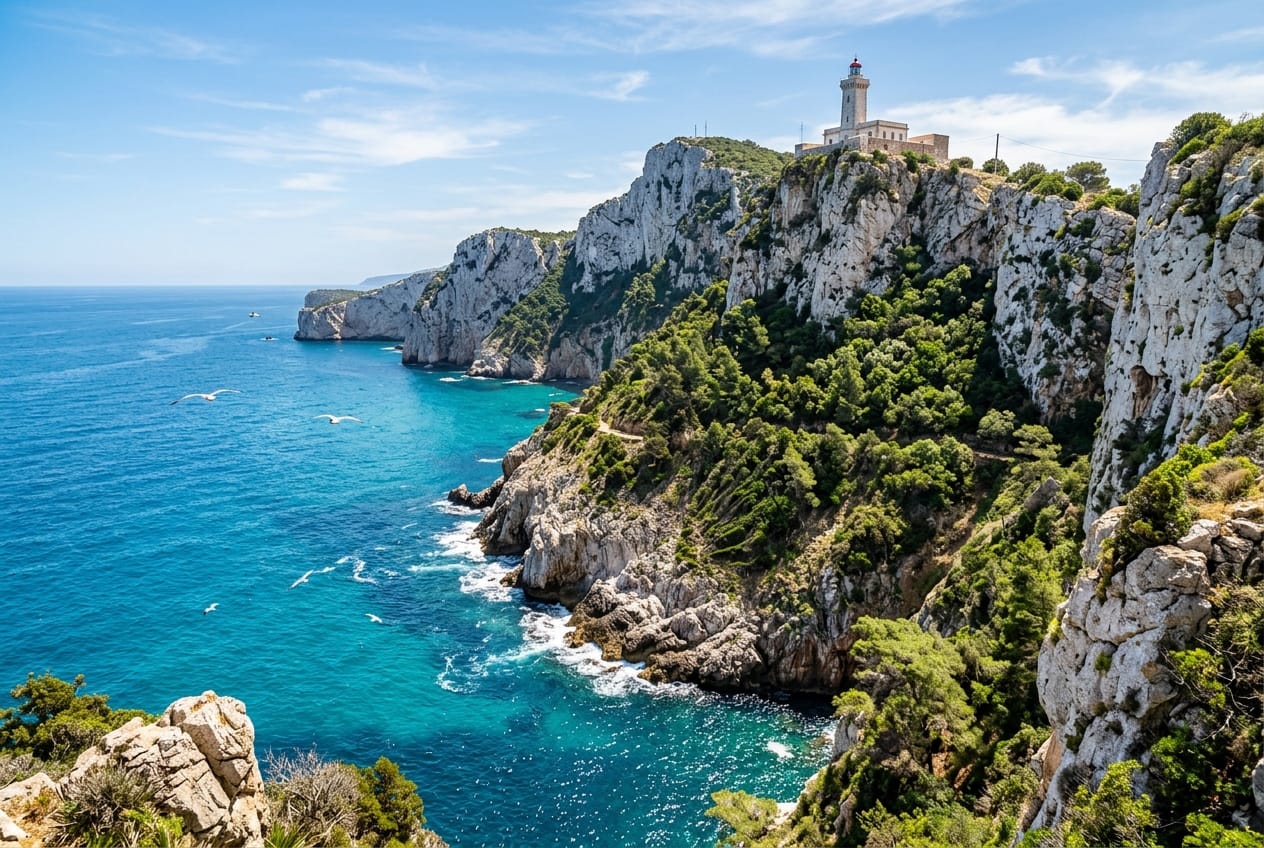
The most iconic national parks in Algeria include Chréa National Park in Blida, Gouraya National Park in Béjaïa, El Kala National Park in El Tarf, Belezma National Park in Batna, and Taza National Park in Jijel, each showcasing unique ecosystems of exceptional beauty.
1. Chréa National Park (Blida Wilaya): The Green Heart of the Blidean Atlas
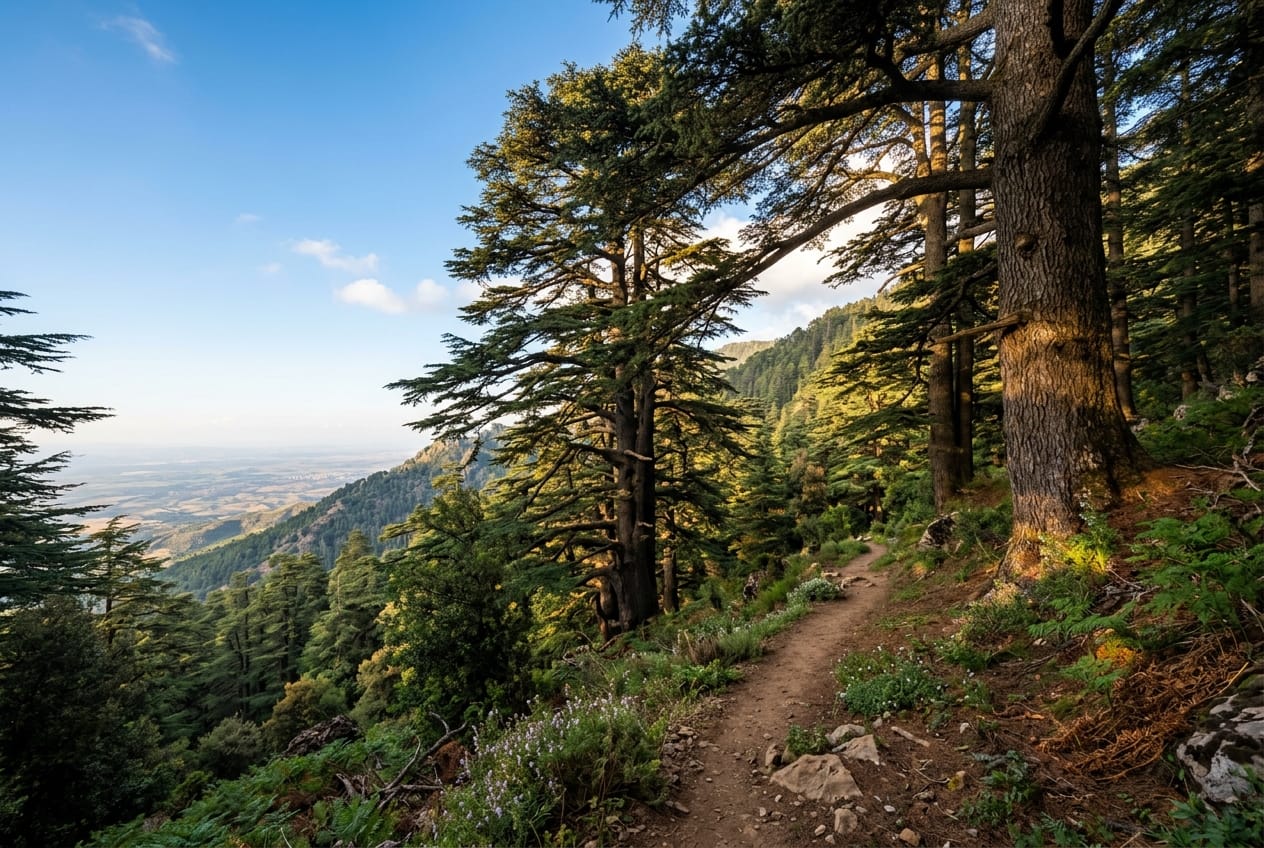
Located less than 50 kilometers south of Algiers, Chréa National Park peaks at over 1,500 meters altitude. It harbors one of North Africa's most magnificent ancient Atlas cedar groves and is home to wild Barbary macaque troops. Accessible by car or scenic cable car from Blida, Chréa is ideal for peaceful woodland hikes, panoramic viewpoints, and relaxing family outings. For travelers planning group family days, check out our guide on family outings in Algeria.
2. Gouraya National Park (Béjaïa Wilaya): Maritime Cliffs and Coastal Splendor
Overlooking the sparkling Gulf of Béjaïa, Gouraya National Park spans 2,080 coastal hectares. Highlights include the sacred peak of Yemma Gouraya (672 m), the Cap Carbon lighthouse (one of the world's highest operational beacons), and secluded coves like Les Aiguades. To pair coastal trails with beach relaxation, explore our Algerian beaches and night outings guide.
3. El Kala National Park (El Tarf Wilaya): Wetland and Birdwatcher Sanctuary
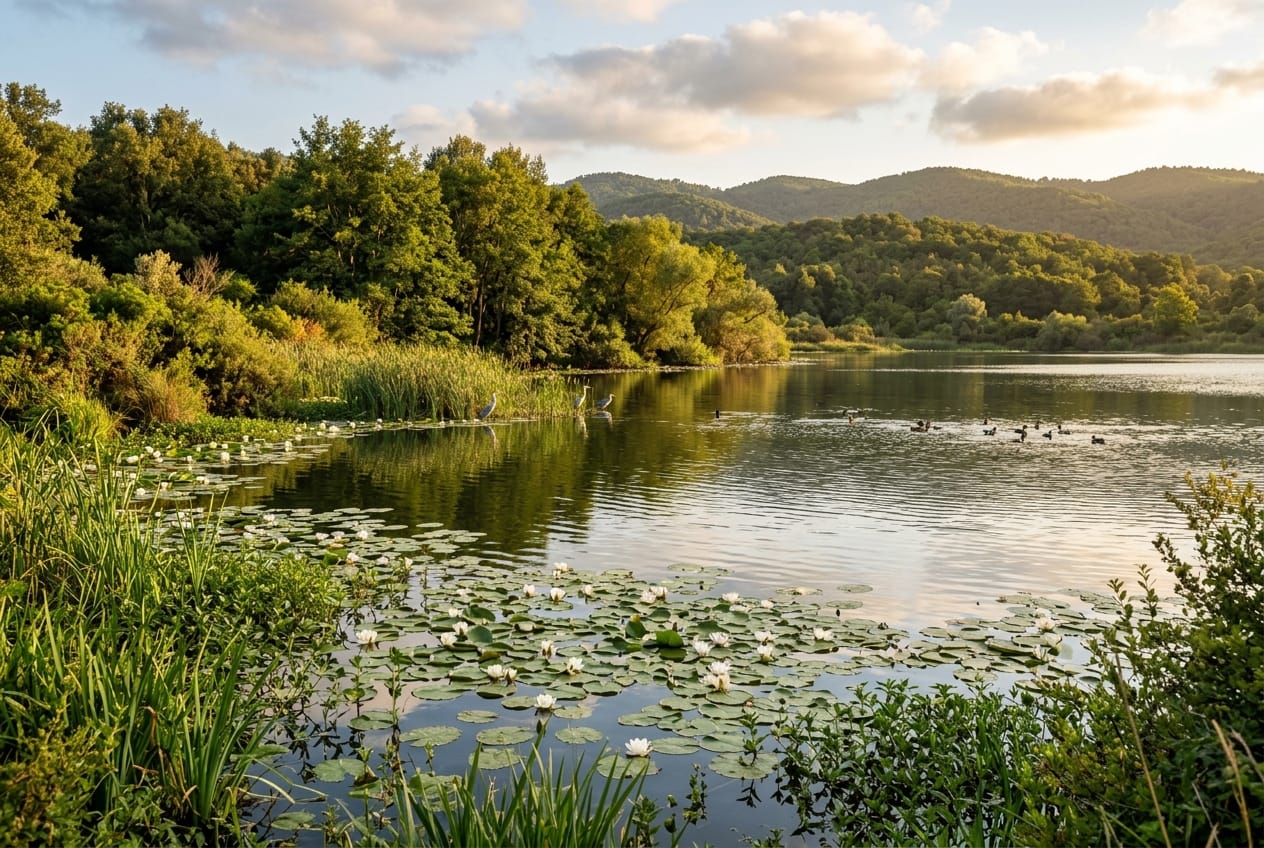
Situated in northeastern Algeria bordering Tunisia, El Kala National Park is a freshwater and forest sanctuary without rival in North Africa. It encompasses a mosaic of lakes (Lake Tonga, Lake Oubeïra, Lake Mellah), dense cork oak forests, and pristine coastline. As a world-renowned Ramsar wetland, El Kala welcomes tens of thousands of migratory waterfowl each autumn, including rare ferruginous ducks and greater flamingos.
4. Belezma National Park (Batna Wilaya): Aurès Mountain Sanctuaries
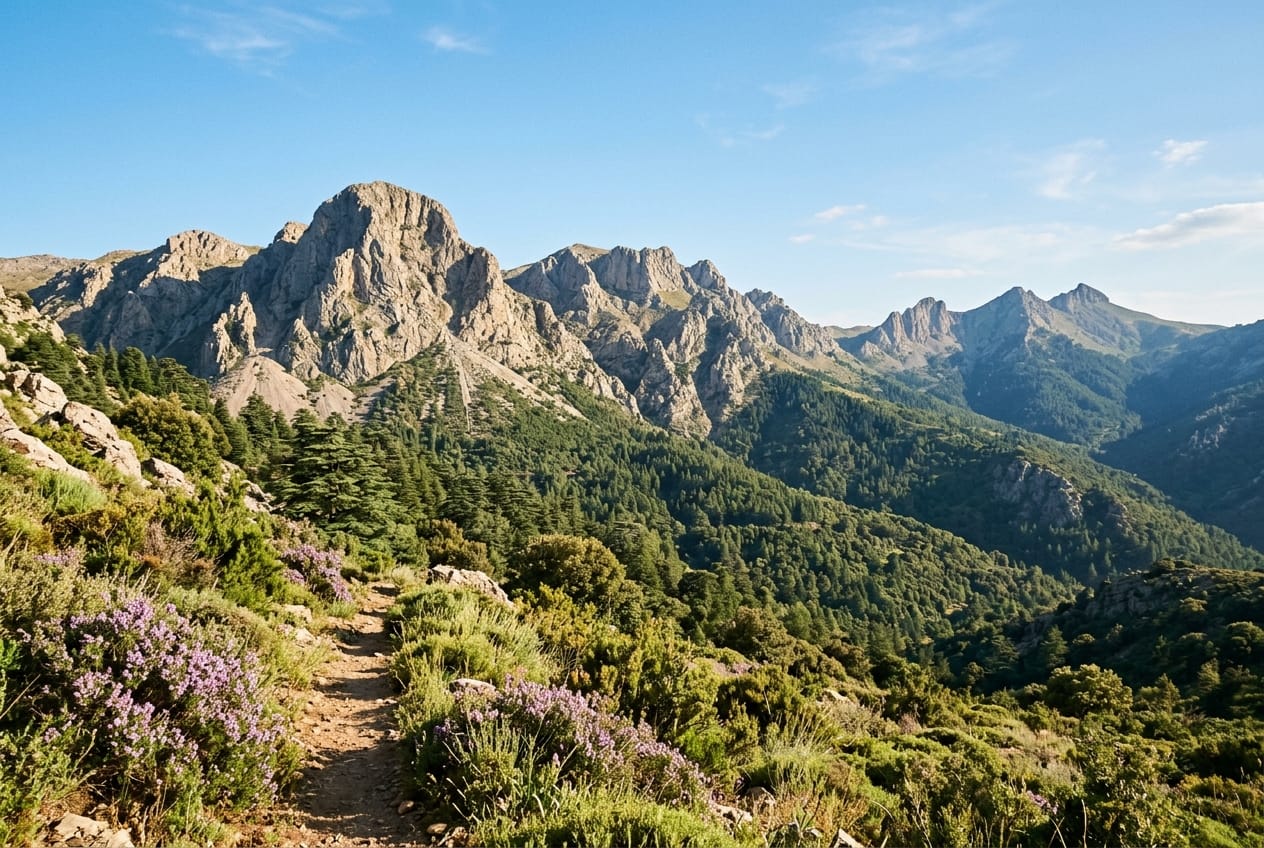
In the heart of the rugged Aurès mountain range, Belezma National Park covers 26,250 hectares crowned by Mount Refaa (2,178 m). This park protects a fragile transition ecosystem between subhumid Mediterranean forests and Saharan steppes, featuring centenarian Atlas cedars, Phoenicean junipers, and highland wildlife.
5. Taza National Park (Jijel Wilaya): Primeval Forests and Waterfalls
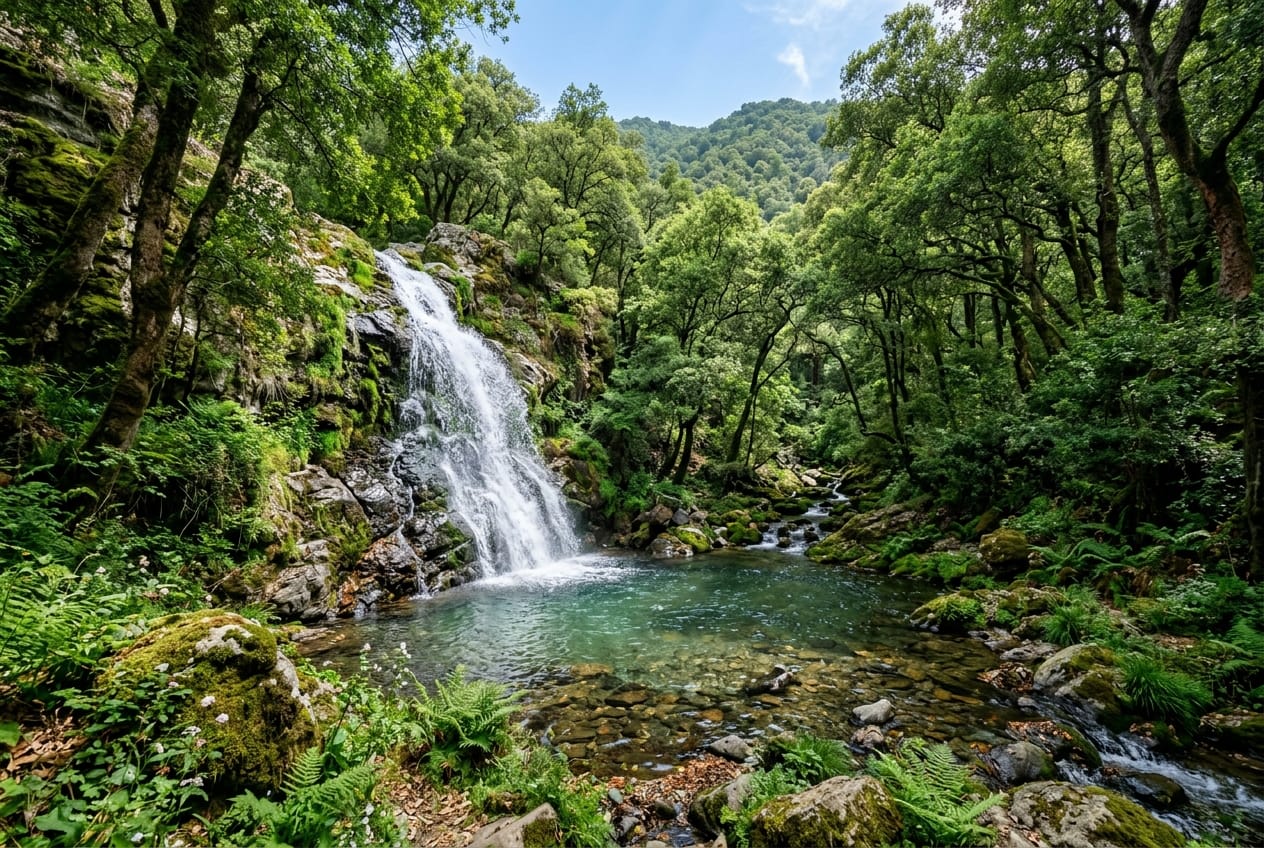
Nestled along the Jijelian Corniche, Taza National Park features lush forests of cork and zeen oaks, mysterious caves (the Marvelous Caves), and crystalline mountain cascades in the Guerrouche massif. It is also the exclusive global refuge of the Kabyle nuthatch (Sitta ledanti), a rare endemic bird species discovered in the 1970s.
Comparative Table of Algeria's Nature Reserves & Parks {#comparative-table-parks}
Use this comparison table to choose the perfect Algerian national park according to your travel style, fitness level, and regional location.
| National Park | Wilaya | Altitude & Landscape | Key Activities | Best Season | Kharja Integration |
|---|---|---|---|---|---|
| Chréa | Blida (09) | 1,000 m - 1,600 m / Cedar forest | Family hikes, picnicking, mountain biking | Year-round | Geolocated trails & cable car info |
| Gouraya | Béjaïa (06) | 0 m - 672 m / Sea cliffs & coast | Coastal walks, Cap Carbon, swimming | April to November | Local guides & scenic routes |
| El Kala | El Tarf (36) | 0 m - 1,200 m / Lakes & wetlands | Birdwatching, nature photography, kayak | Sept to May | Wildlife viewing hotspots |
| Belezma | Batna (05) | 1,000 m - 2,178 m / High Aurès peaks | High-altitude trekking, permitted bivouac | Sept to June | GPS tracks & weather alerts |
| Taza | Jijel (18) | 0 m - 1,370 m / Dense forest & falls | River trekking, caves, caving | Spring & Autumn | Organized club excursions |
💡 Kharja Travel Tip: When heading into high-elevation mountain parks, always verify live local weather forecasts on the Kharja app. Mountain temperatures can easily drop 8 to 10°C compared to nearby coastal plains!
Practical Guidelines & Golden Rules for Responsible Travel {#practical-conservation-tips}
Practicing responsible ecotourism in Algeria requires adhering to Leave No Trace ethics: pack out all waste, respect delicate wildlife habitats, refrain from unauthorized open fires, and support local mountain communities.
5 Golden Rules for Eco-Hikers in Algeria
- Leave No Trace: Always carry a durable garbage bag to pack out all plastic bottles, food wrappers, and waste. Keep Algeria's pristine forests spotless.
- Strict Fire Safety: Open campfires are hazardous during dry and windy months. Use certified camping stoves and never discard cigarette butts.
- Respect Wildlife & Flora: Observe wildlife from a respectful distance. Do not pick rare mountain wildflowers or disturb nesting birds.
- Stay on Marked Trails: Avoid trampling off-trail to prevent soil erosion and preserve delicate plant root systems.
- Support Local Artisans & Host Communities: Buy local mountain honey, artisanal pottery, and dine at traditional eateries in gateway villages. You can discover top dining spots in our guide to the best restaurants and cafés in Algeria.
How Kharja Powers Your Algerian Wilderness Outings {#how-kharja-enhances-nature-outings}
The Kharja mobile app transforms outdoor discovery in Algeria by providing interactive maps across 58 wilayas, vetted hiking itineraries, verified community reviews, and direct connections to licensed regional guiding clubs.
With Kharja, you benefit from:
- Interactive 58 Wilaya Map: Filter nature outings by difficulty, family suitability, altitude, and activity type.
- Verified Community Reviews: Read real participant reviews and see trail photos from fellow adventurers before setting out.
- Follow Certified Organizers: Subscribe to top trekking clubs and receive push notifications when new guided expeditions are announced.
- Integrated Live Weather Alerts: Stay ahead of sudden mountain weather shifts for safe, enjoyable outings.
Frequently Asked Questions About Algerian Ecotourism {#faq}
Which Algerian national parks are best for families with children?
Chréa National Park (Blida) and Gouraya National Park (Béjaïa) are the most family-friendly parks, offering paved road access, shaded picnic spots, and gentle panoramic walking paths.
Do I need a permit to camp or bivouac in Algerian national parks?
Short-term bivouacking is generally permitted in designated areas across most national parks. It is recommended to notify local forest conservation officers or park authorities prior to setting up camp.
When is the best time for birdwatching at El Kala National Park?
Autumn and winter, from September through March, provide prime viewing conditions as thousands of migratory waterfowl gather at Lake Tonga and Lake Oubeïra.
How can I join organized hiking groups in Algerian national parks?
Open the Kharja mobile app, navigate to the "Hiking & Nature" section, browse verified club excursions across the wilayas, and easily reserve your spot.
Are there entrance fees for national parks in Algeria?
Access to Algerian national parks is free and open to the public. Only specific commercial attractions such as cable cars or guided cave tours charge nominal fees in Algerian Dinars (DZD).
Conclusion
Ecotourism in Algeria's national parks is a deeply rewarding journey through stunning, untamed landscapes. By embracing responsible travel habits and utilizing modern mobile tools like Kharja, you actively help preserve Algeria's extraordinary natural heritage for generations to come.
Ready to pack your hiking boots and breathe fresh mountain air in Algeria's wildest sanctuaries?
📱 Download Kharja Today — Your digital passport to exploring Algeria's greatest natural wonders.


👤 About Kharja
Kharja (خارجة) is Algeria's leading platform dedicated to event and outing discovery and management. Available on iOS, Android and Web, it connects organizers and participants across all 58 wilayas with innovative features: geolocated discovery, verified community reviews, real-time organizer dashboards, and integrated weather forecasting.
🌐 kharja.life | 📱 app.kharja.life
Follow us:
📸 Instagram | 📘 Facebook | 🎵 TikTok | 🐦 X (Twitter) | 📺 YouTube